
What Is Sanatan Dharma?
Sanatan Dharma from the sources: what sanātana and dharma mean, where the phrase appears in the Gita and Manusmriti, and why it has no founder.
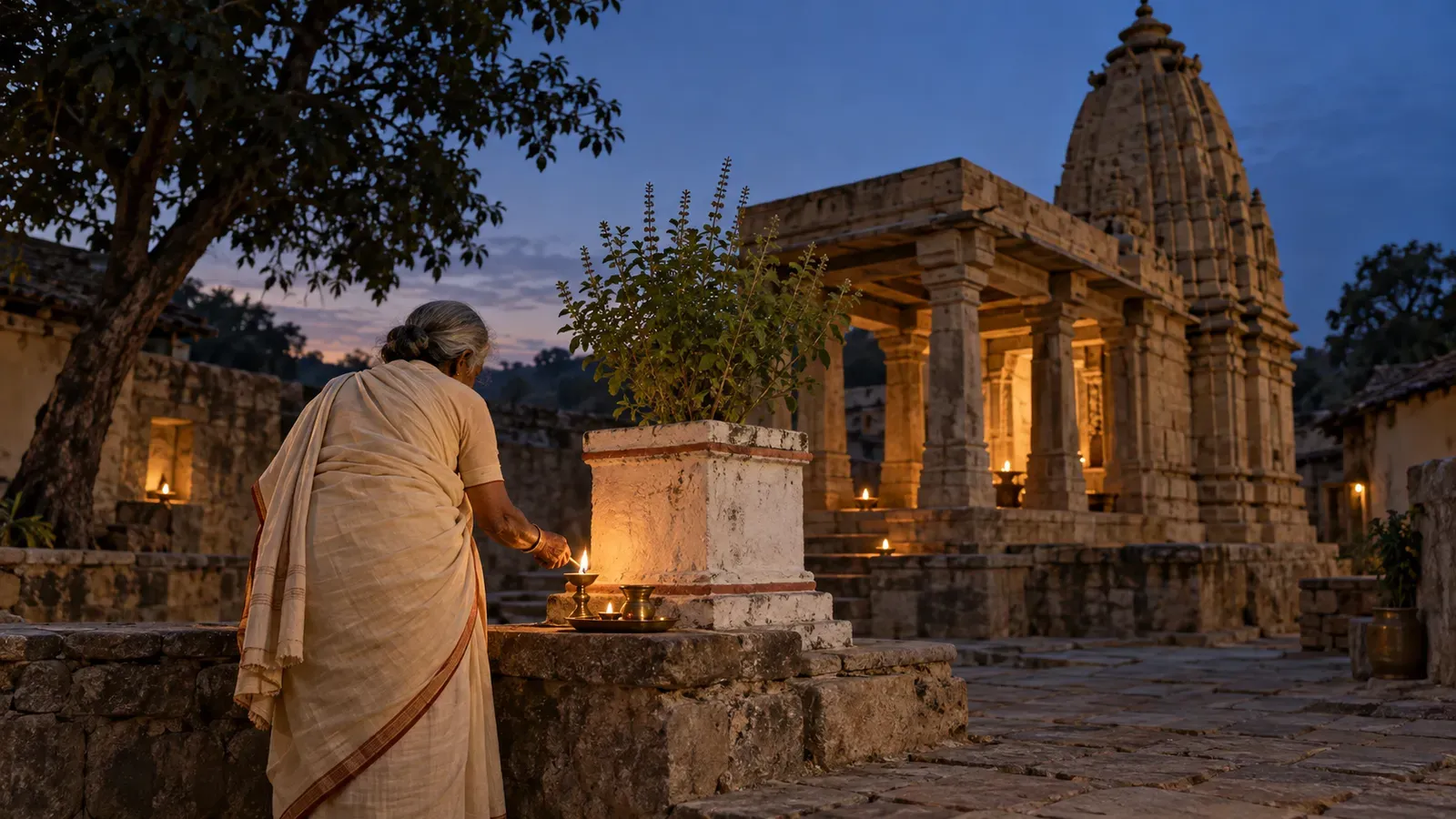
Ask a child what Sanatan means and they will usually say “old”. Ask a grandmother and she may not answer at all. She will simply light the lamp, because to her the question has always been answered by doing.
Both are closer to the truth than most textbooks. But the word deserves a proper look, because it carries more than either answer, and because the tradition chose it for itself.
Start with the word
Before it is a name, sanātana is an adjective, and a very old one. It is related to the Vedic sanā and sanāt, carrying the sense of “from of old” and “always”. Something sanātana is not merely ancient. Something may be ancient and belong mainly to the past; sanātana points instead to continuity: what endures, remains living, and does not run out.
Sanskrit has a closely related word, śāśvata, “perpetual” or “lasting”. The Gita places the two side by side at the moment Arjuna, having seen the universal form, finally finds words for what stands in front of him:
त्वमव्ययः शाश्वतधर्मगोप्ता सनातनस्त्वं पुरुषो मतो मे॥ Then the word dharma
Dharma is the harder word, and “religion” is an incomplete translation of it. It comes from the root dhṛ, to hold, bear, or support. Dharma is what upholds and sustains. The Mahabharata gives the definition in one verse:
धारणाद्धर्ममित्याहुर्धर्मो धारयते प्रजाः।
यत्स्याद्धारणसंयुक्तं स धर्म इति निश्चयः॥ yat syād dhāraṇa-saṃyuktaṃ sa dharma iti niścayaḥ “It is called dharma because it upholds. Dharma upholds living beings. Whatever is joined with the power to uphold, that, it is settled, is dharma.” Mahābhārata, Karṇa Parva 8.49.50 (Critical Edition); 8.69.58 in Gita Press numbering
The dharma of fire is to burn, and of water to flow. A person’s dharma is what upholds them, their family, their society, and the larger order in which they live.
The Vaiśeṣika school adds what dharma is for:
यतोऽभ्युदयनिःश्रेयससिद्धिः स धर्मः॥ Notice the order. Abhyudaya, prosperity and well-being in this life, is named first. Nobody is asked to despise the world in order to be dharmic.
Where the phrase actually appears
It is sometimes said that “Sanatan Dharma” was invented in the nineteenth century. That is too simple. Its modern use as a broad name for the whole Hindu tradition became especially prominent in the colonial period, when “Hinduism” was also being used as an umbrella term. But sanātana and dharma are ancient Sanskrit words, and older texts themselves join them in significant ways. It is worth seeing where they appear.
On the first morning of the war at Kurukshetra, Arjuna lowers his bow because he fears for exactly this:
कुलक्षये प्रणश्यन्ति कुलधर्माः सनातनाः। In the Manusmṛti the phrase closes a teaching that has nothing to do with ritual or cosmology. It is about how to speak:
सत्यं ब्रूयात्प्रियं ब्रूयान्न ब्रूयात्सत्यमप्रियम्।
प्रियं च नानृतं ब्रूयादेष धर्मः सनातनः॥ priyaṃ ca nānṛtaṃ brūyād eṣa dharmaḥ sanātanaḥ “Speak the truth; speak what is pleasing. Do not speak an unpleasant truth, and do not speak a pleasing falsehood. This is the eternal dharma.” Manusmṛti 4.138
That is worth sitting with. The eternal dharma, in this verse, is not locked away in ritual or cosmology. It appears in ordinary conduct, in how one speaks to another person, where anyone can practise it before breakfast.
The idiom belonged to the wider Indic world. In Pali, the Buddha closes a verse on hatred with a closely cognate formulation: hatred is never ended by hatred, but by its absence, esa dhammo sanantano, “this is the eternal law” (Dhammapada 5). The vocabulary of what is eternal or enduring was shared across Indic traditions long before modern arguments over labels.
What in us is sanātana
The Gita uses the same word for the self. Describing the ātman that no weapon can touch, Krishna says:
अच्छेद्योऽयमदाह्योऽयमक्लेद्योऽशोष्य एव च।
नित्यः सर्वगतः स्थाणुरचलोऽयं सनातनः॥ nityaḥ sarva-gataḥ sthāṇur acalo 'yaṃ sanātanaḥ “It cannot be cut, it cannot be burned, it cannot be wetted, it cannot be dried. It is everlasting, all-pervading, steady, unmoving. It is sanātana.” Bhagavad Gītā 2.24
And later, of the living being: mamaivāṃśo jīva-loke jīva-bhūtaḥ sanātanaḥ, “an eternal portion of Me has become the living being in the world of life” (15.7).
So the same word describes the dharma, the Supreme Person who guards it, and the self in each of us. Read together, the name makes a quiet claim: this dharma goes as deep as what you are.
Why there is no founder
Sanatan Dharma has no single founder, no single date of birth, and no single book that ends every argument. Within the tradition, the Vedas are held to be apauruṣeya, not authored by a human being but seen and heard by the ṛṣis, which is why they are called śruti, “that which was heard”. Around them grew the Itihāsas and Purāṇas, the Āgamas and Tantras, the great ācāryas, philosophical schools, and living sampradāyas of Shiva, Vishnu, and the Devi. Their debates have continued across many centuries.
One Rigvedic line is quoted more than almost any other:
एकं सद्विप्रा बहुधा वदन्ति। It is worth reading the whole verse, because the usual quotation leaves out its context. It speaks of Indra, Mitra, Varuṇa, Agni, Garutmān, Yama, and Mātariśvan: Vedic names through which the verse speaks of one underlying Reality. It is not simply a modern slogan that every belief everywhere says the same thing.
A spine, not a fog
Variety does not mean that anything goes. Sanatan Dharma has a recognisable spine: the Veda and the traditions that grow around it; karma and rebirth; the four aims of life, dharma, artha, kāma, and mokṣa; worship of the Divine in many forms; the bond of guru and disciple; the saṃskāras that mark a life; and the tīrthas that sacralise the land.
And it has a recognisable character. Manu lists ten marks of dharma:
धृतिः क्षमा दमोऽस्तेयं शौचमिन्द्रियनिग्रहः।
धीर्विद्या सत्यमक्रोधो दशकं धर्मलक्षणम्॥ dhīr vidyā satyam akrodho daśakaṃ dharma-lakṣaṇam “Steadiness, forgiveness, self-restraint, non-stealing, purity, mastery of the senses, discernment, learning, truthfulness, and freedom from anger: these ten are the marks of dharma.” Manusmṛti 6.92
You will often hear that Sanatan Dharma is “a way of life, not a religion”. That is only half true. It is a way of life. It also has Devas and Devis, temples, rites, a sacred calendar, scriptures, philosophies, and lineages of practice. Calling it “not a religion” merely to make it sound modern quietly leaves the Mother out of her own house.
Hindu and Sanatan
“Hindu” first entered Persian usage as a geographic and ethnographic term connected with Sindhu, the Indus region. Achaemenid inscriptions from the age of Darius I refer to a land called Hinduš. Across many centuries the geographic term broadened into a name for peoples and, eventually, their religious traditions.
There is no need to throw the word away; hundreds of millions carry it with pride. But it is useful to know the history of the terms. “Hindu” came into wider use through an old geographic name, while sanātana and dharma are indigenous Sanskrit words used within the tradition itself. Both names now carry real history, memory, and belonging.
Where to find it
You will not find Sanatan Dharma only in books. It is in the morning aarti at Kalkaji, in the woman who has lit a lamp at dusk for forty years without ever opening an Upanishad, in a child learning to fold their hands before a meal. Each is living a part of sanātana dharma as surely as a scholar studies it.
The heart of it, in simple words
Set the vocabulary aside and ask what Sanatan Dharma actually asks of a person, and the answer is not complicated. It comes down to a handful of things, and the texts say each of them plainly.
Karuṇā, compassion. When Krishna describes the devotee who is dearest to him, the first qualities he names have nothing to do with ritual:
अद्वेष्टा सर्वभूतानां मैत्रः करुण एव च। 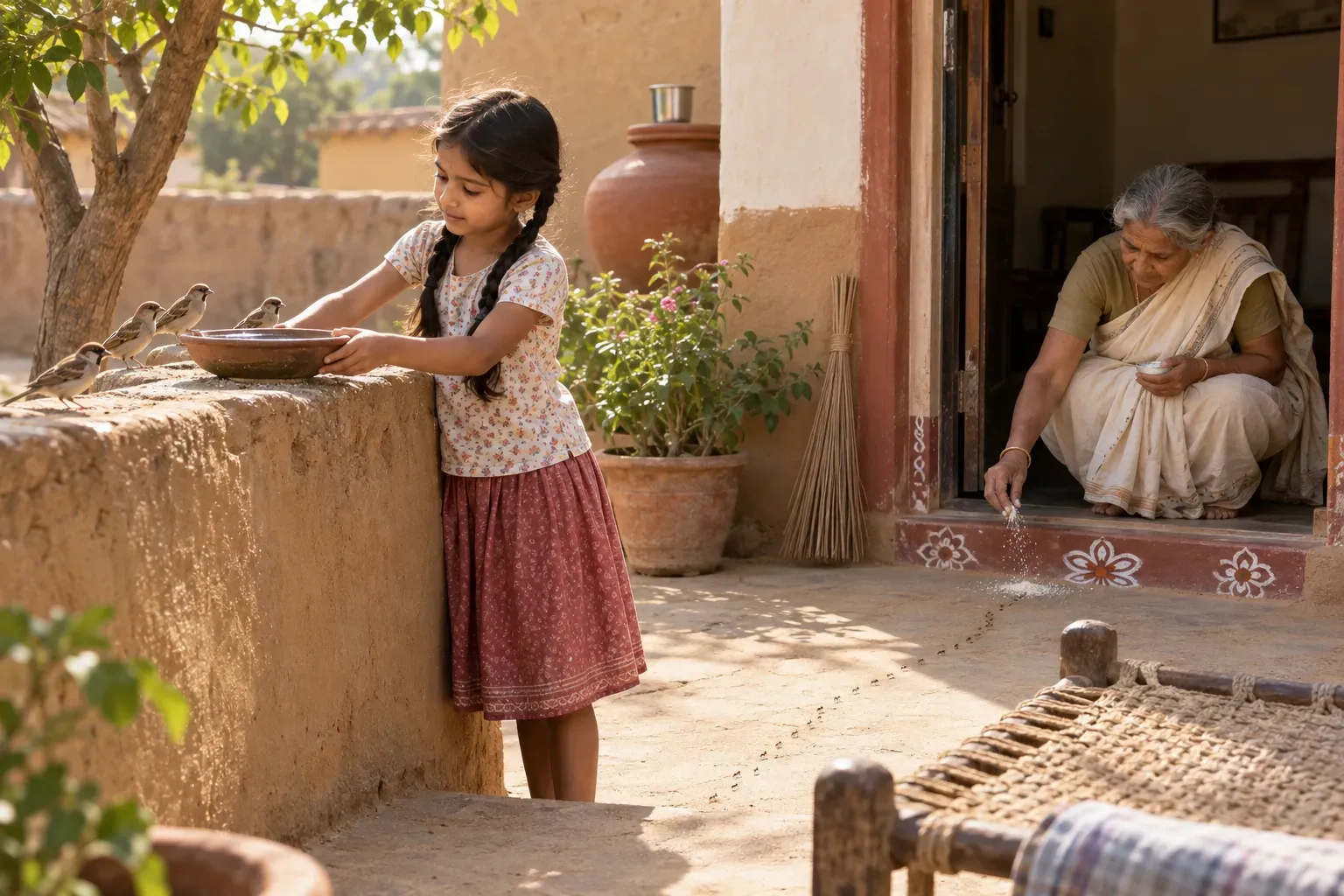
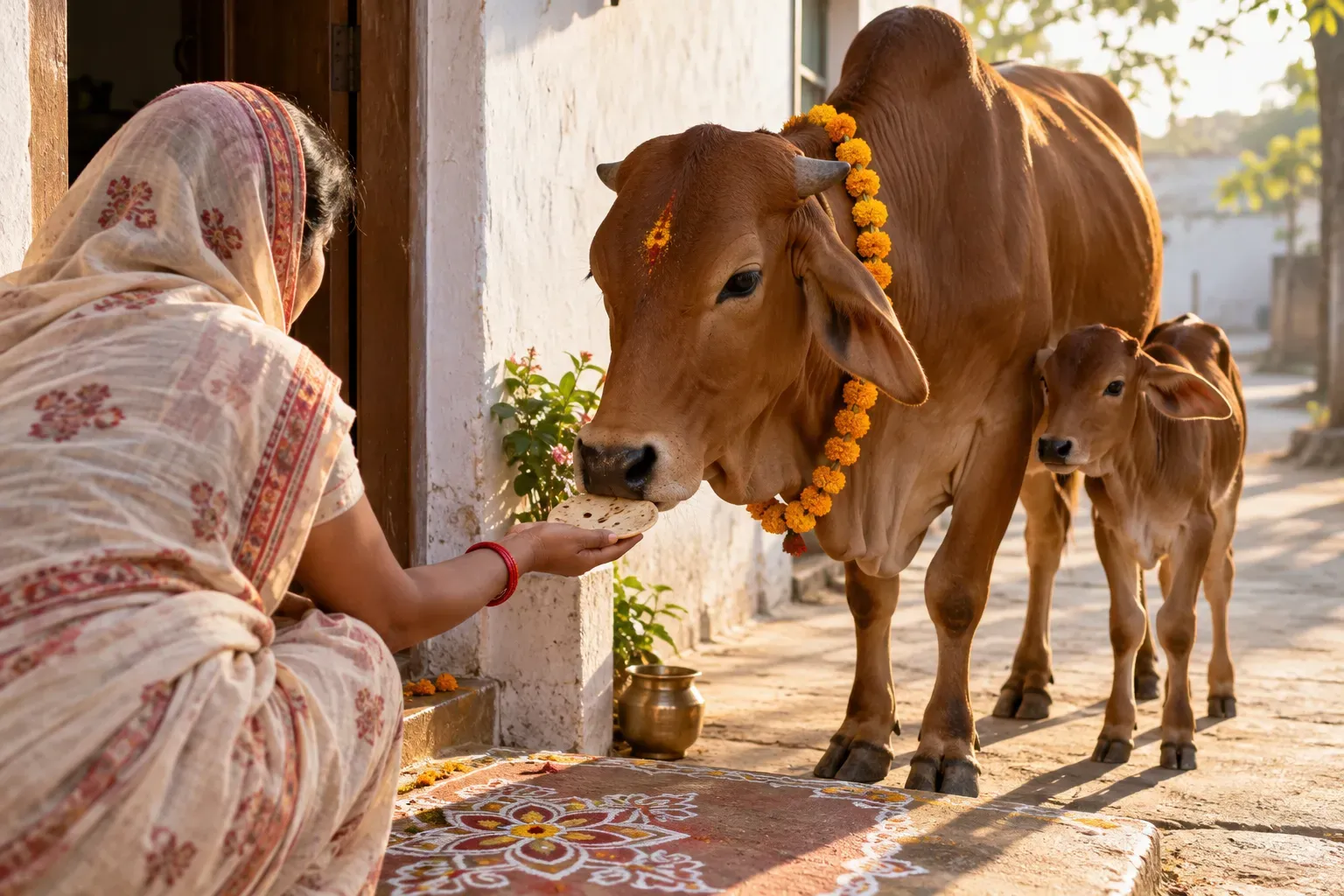
Sarva-bhūtānām: towards all beings, not only towards people. The first roti set aside for the cow, the pinch of flour left at the doorway for ants, the clay bowl of water put out for birds in the heat of May: these small household habits make compassion visible in daily life. The reverence expressed in the name gau-mātā belongs to the same moral world: gratitude towards a being understood to nourish and sustain.
Bhakti, devotion. Bhakti asks for no wealth and no learning. Krishna says:
पत्रं पुष्पं फलं तोयं यो मे भक्त्या प्रयच्छति।
तदहं भक्त्युपहृतमश्नामि प्रयतात्मनः॥ tad ahaṃ bhakty-upahṛtam aśnāmi prayatātmanaḥ “Whoever offers Me with devotion a leaf, a flower, a fruit or a little water, that offering of love from a pure heart I accept.” Bhagavad Gītā 9.26
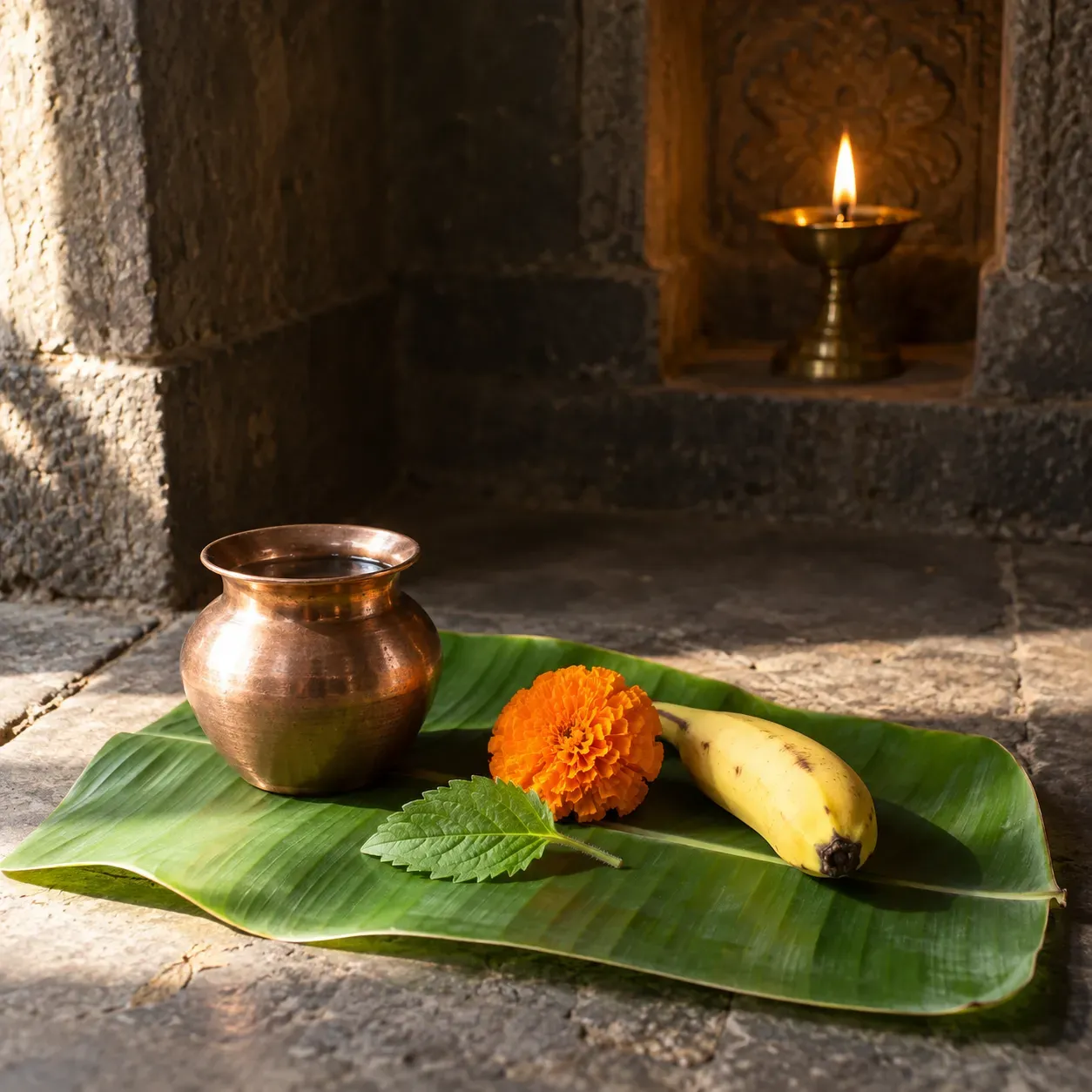
A leaf and a little water. Even the poorest person can offer that. What is weighed is the devotion, never the price.
Reverence for nature. The Atharvaveda’s hymn to the Earth holds the whole attitude in one line:
माता भूमिः पुत्रो अहं पृथिव्याः। 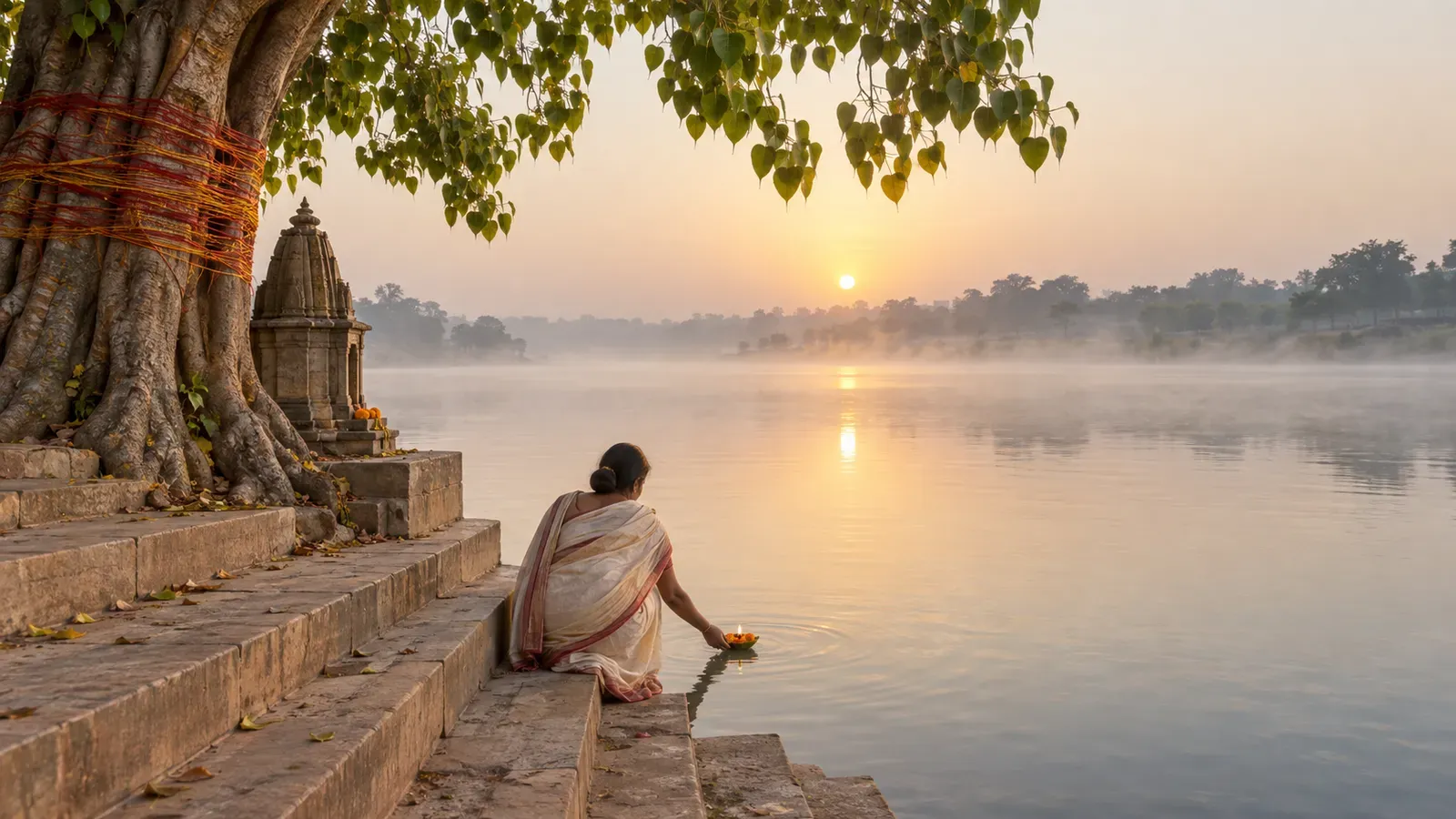
This is why rivers are called Mother, why a tulsi grows in the courtyard, why the peepal is circled with thread, and why many still touch the ground in the morning and ask Bhūdevī’s pardon before setting their feet on her. Nature is not merely a resource to be used up. It is family.
Honour for women. Manu puts it without any softening:
यत्र नार्यस्तु पूज्यन्ते रमन्ते तत्र देवताः।
यत्रैतास्तु न पूज्यन्ते सर्वास्तत्राफलाः क्रियाः॥ yatraitās tu na pūjyante sarvās tatrāphalāḥ kriyāḥ “Where women are honoured, there the gods rejoice. Where they are not honoured, every rite performed there bears no fruit.” Manusmṛti 3.56
In this tradition the Supreme is worshipped as the Mother herself. The Devī Māhātmya declares: striyaḥ samastāḥ sakalā jagatsu, all women throughout the worlds belong to her manifestation (11.6; numbering can vary by edition). The Upanishads remember Gārgī challenging the sage Yājñavalkya in King Janaka’s assembly. In Bṛhadāraṇyaka Upaniṣad 3.6 he warns her not to press one line of questioning further; in 3.8 she rises again and questions him still more deeply. Maitreyī, in 2.4, turns away from wealth as an answer to mortality and asks instead for the knowledge by which immortality may be known.
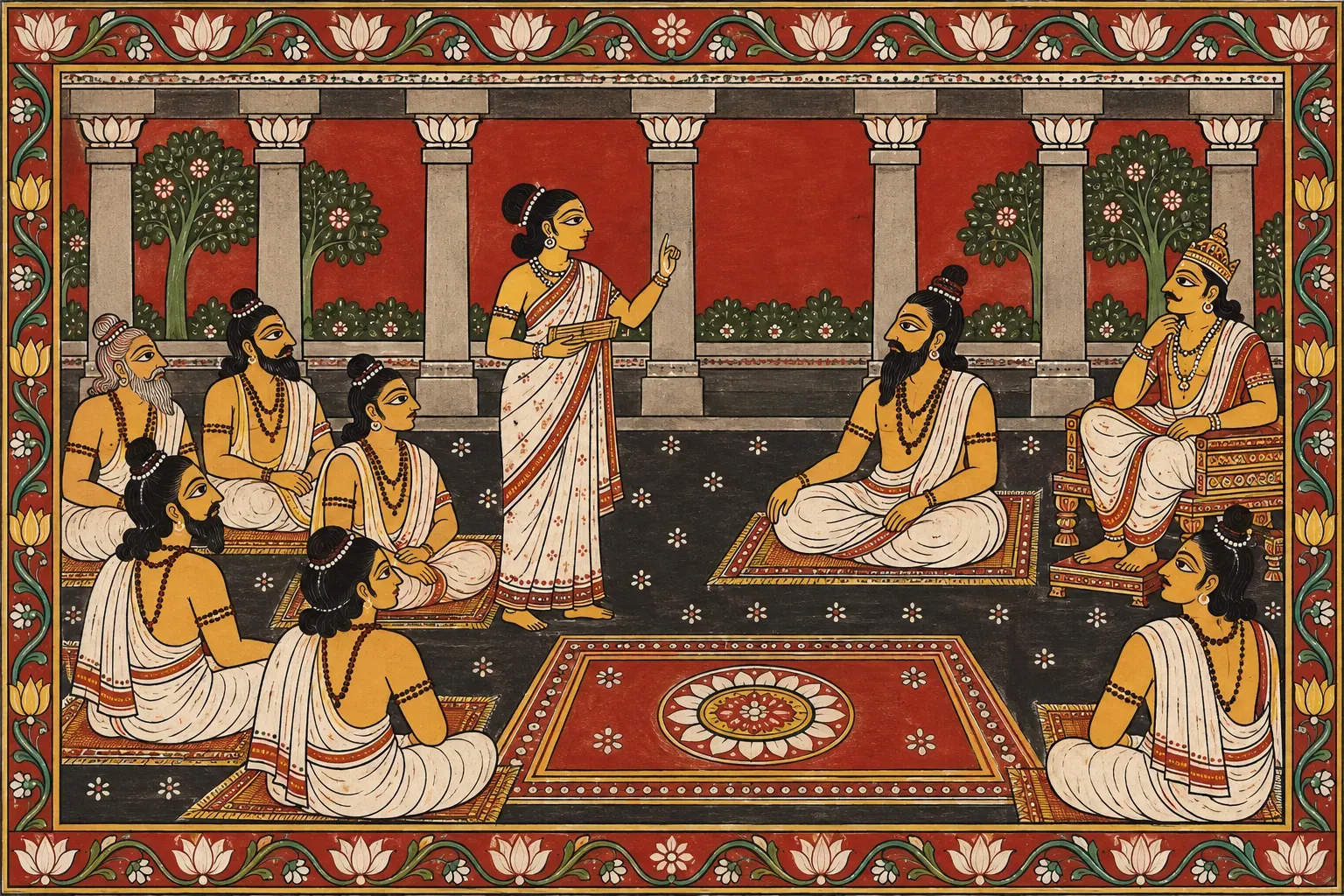
Saṃskāra and saṃskṛti. These words belong to the same word-family as Saṃskṛta, the name of the language itself, carrying the sense of making, forming, or refining well. A saṃskāra refines a life. Later Hindu tradition commonly gathers the principal rites into the well-known sixteen saṃskāras, spanning the journey from before birth to the funeral rites. Saṃskṛti is what an entire people becomes when that refining continues across generations. Some of its most enduring lessons were given to students leaving the gurukula:
मातृदेवो भव। पितृदेवो भव। आचार्यदेवो भव। अतिथिदेवो भव॥ 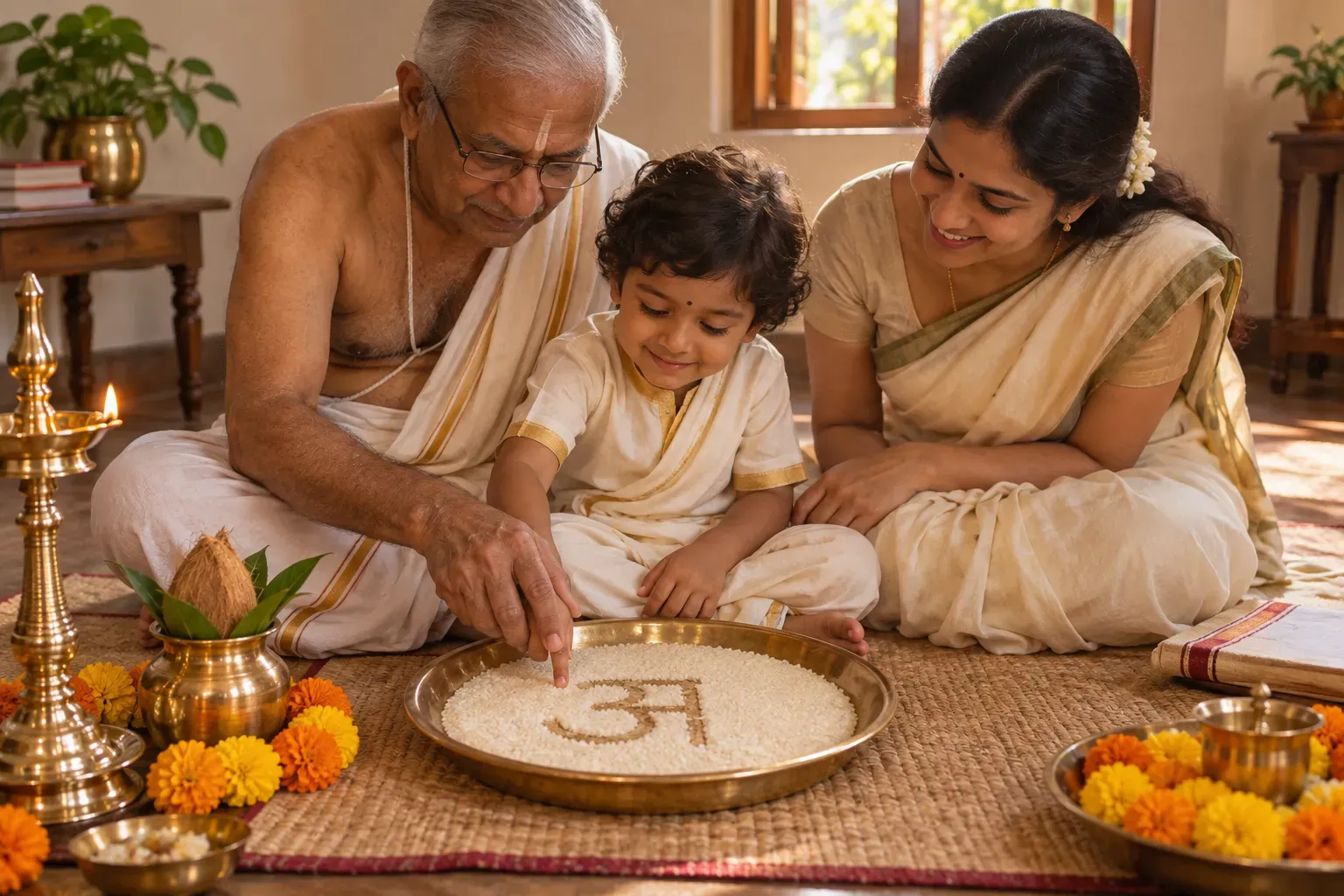
And what has become of it
For thousands of years, these values have formed part of the moral vocabulary of this land. Today, in too many places, only their shadow remains.
We call the rivers Mother and pour our waste into them. We worship the Devi for nine nights of Navratri, and our daughters are still not safe on the tenth. We teach children mātṛ-devo bhava and then leave our own parents alone in their old age. We keep the forms and lose what they were for.
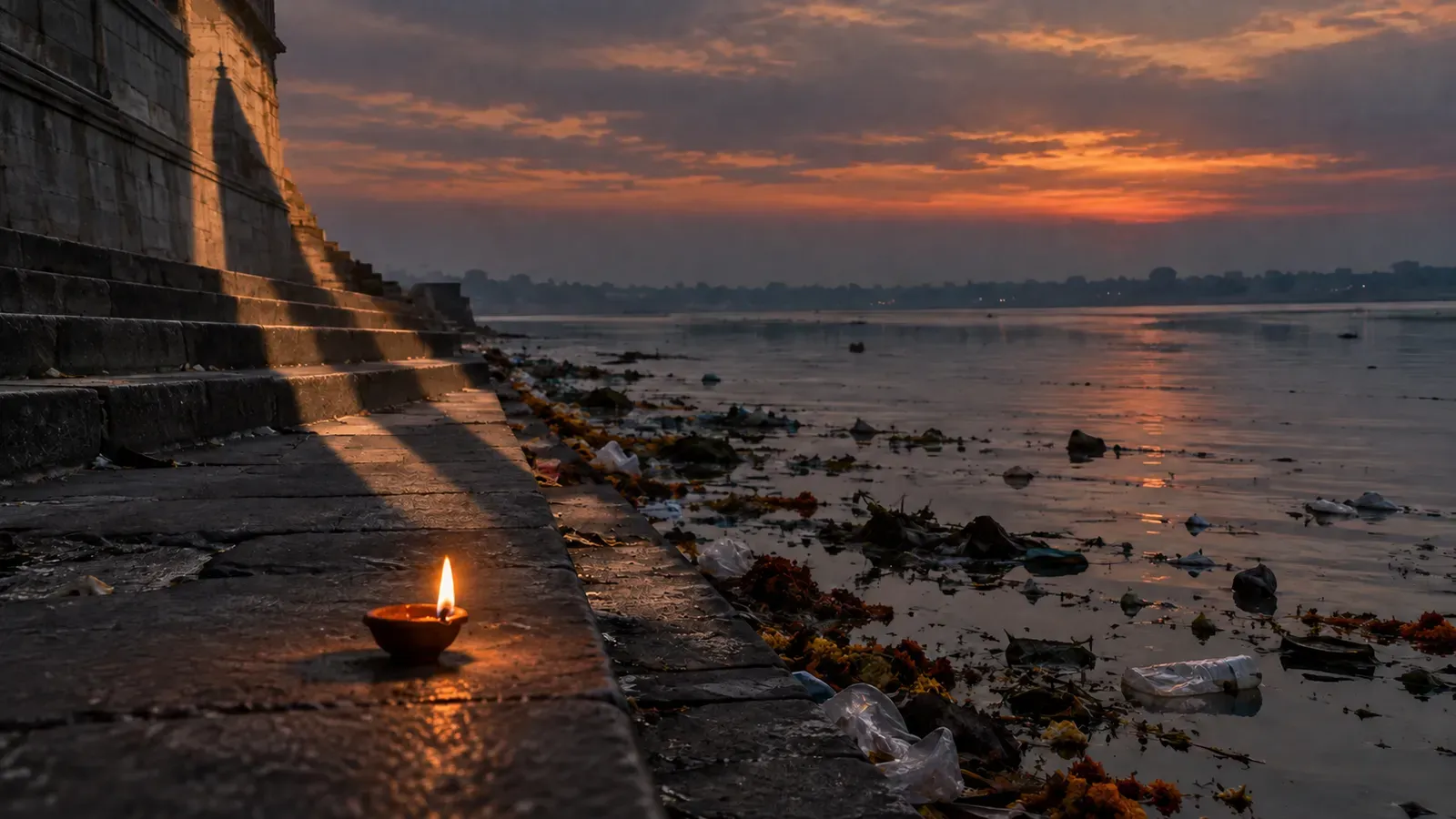
A shadow, though, cannot fall from nothing. Wherever there is a shadow, some light remains behind it. Revival is the work of turning back towards that light and choosing to live by it again.
Where to begin
If you want to begin, begin small. Light a lamp at sandhyā. Learn one verse with its meaning, and say it every day for a month. And tomorrow, when you are tempted to use truth as a weapon or a pleasing lie as an escape, remember Manu 4.138. That is the eternal dharma too.
Sanātana does not mean merely old. It means it has not run out.